

Articles
How To Store Jewelry
Modified: February 11, 2024
Discover the best ways to store articles of jewelry and keep them organized and protected. Find expert tips and tricks for proper jewelry storage.
(Many of the links in this article redirect to a specific reviewed product. Your purchase of these products through affiliate links helps to generate commission for Storables.com, at no extra cost. Learn more)
Introduction
Welcome to the ultimate guide on how to store your jewelry! Whether you have a small collection of cherished pieces or a vast array of sparkling adornments, proper storage is essential to keep your jewelry safe, protected, and easily accessible. In this article, we will explore the best practices for storing various types of jewelry, from necklaces and rings to bracelets and earrings. We’ll also discuss cleaning and maintenance tips to ensure your jewelry stays in pristine condition for years to come.
Properly storing your jewelry not only prevents tangles, scratches, and damage, but it also helps you maintain organization, making it easier to find and enjoy your favorite pieces. With the right storage solution and a little bit of organization, you can create a practical and visually appealing space for your jewelry collection.
So, let’s delve into the world of jewelry storage and discover the secrets to keeping your precious gems, metals, and stones in optimal condition!
Key Takeaways:
- Proper storage and organization of your jewelry collection are essential for preventing damage, preserving its beauty, and ensuring easy accessibility. Consider factors such as collection size, material, and accessibility when choosing a storage solution.
- Regular cleaning, maintenance, and proper storage practices are crucial for preserving the longevity and beauty of your jewelry. By following these tips, you can ensure that each piece remains a cherished part of your collection for years to come.
Read more: How To Store Gold
Choosing the Right Storage Solution
When it comes to storing your jewelry, selecting the right storage solution is crucial. Not only does it protect your jewelry from damage and loss, but it also keeps your collection organized and easily accessible. Here are some factors to consider when choosing the perfect storage solution:
- Consider the Size and Type of your Collection: Take stock of your jewelry collection and assess its size and diversity. Are you primarily a necklace person, or do you have a wide assortment of earrings, rings, and bracelets? Understanding the types of jewelry you own will help you determine the storage solution that best meets your needs.
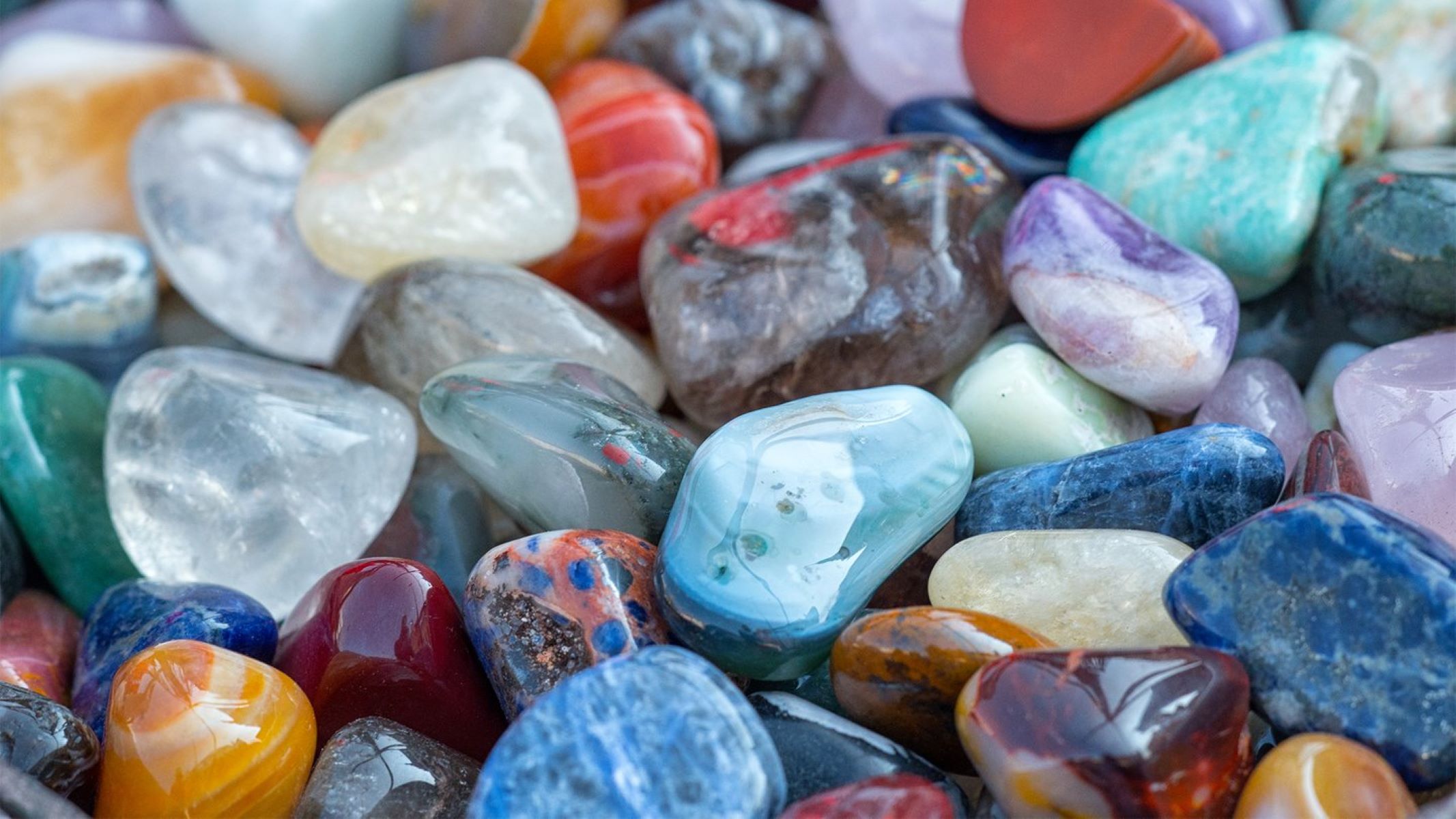
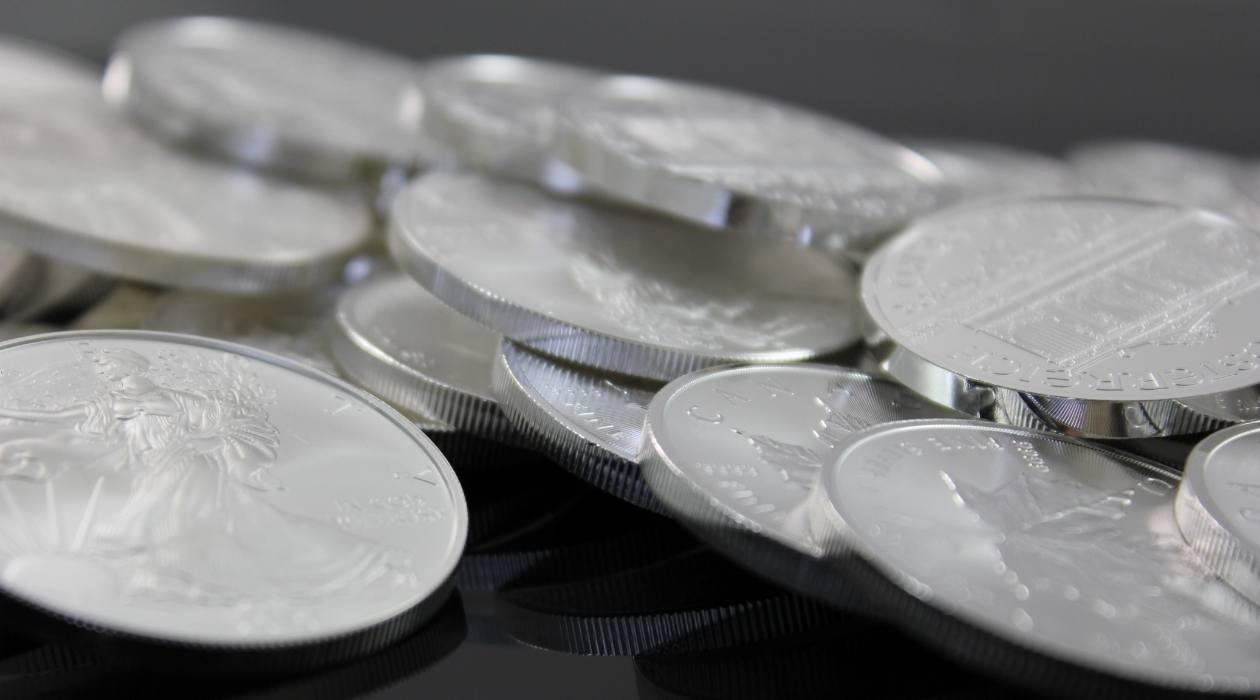
- Consider the Material of your Jewelry: Different jewelry materials require different storage approaches. For example, delicate gemstone necklaces should be stored separately to prevent scratches, while silver pieces may benefit from anti-tarnish storage solutions.
- Consider the Space Available: Evaluate the amount of space you have for storing your jewelry. Do you have room for a large jewelry box or display case, or would a more compact storage solution better suit your needs?
- Consider Accessibility: Think about how often you wear certain pieces and how important it is for you to have them readily accessible. If you have everyday jewelry that you wear frequently, consider opting for a storage solution that allows for easy access.
- Consider Security: If you own valuable or sentimentally significant pieces, security becomes a top priority. Look for storage solutions that offer locking mechanisms or consider purchasing a safe or jewelry armoire for added security.
Once you have considered these factors, you can choose from a variety of storage solutions, including jewelry boxes, trays, organizers, hanging organizers, and travel cases. It’s important to find a solution that not only protects your jewelry but also fits seamlessly into your lifestyle and aesthetic preferences.
Next, we will explore how to organize your jewelry within your chosen storage solution to maximize space and accessibility.
Organizing Your Jewelry Collection
Now that you have chosen the perfect storage solution for your jewelry, it’s time to organize your collection. By implementing an effective organization system, you can easily find and enjoy your jewelry without the frustration of tangled chains or misplaced earrings. Here are some tips to help you organize your jewelry:
- Separate by Type: Start by organizing your jewelry by type. Sort your necklaces, rings, bracelets, earrings, and other pieces into separate categories. This will help you visually identify and access specific pieces without having to rummage through a jumble of different items.
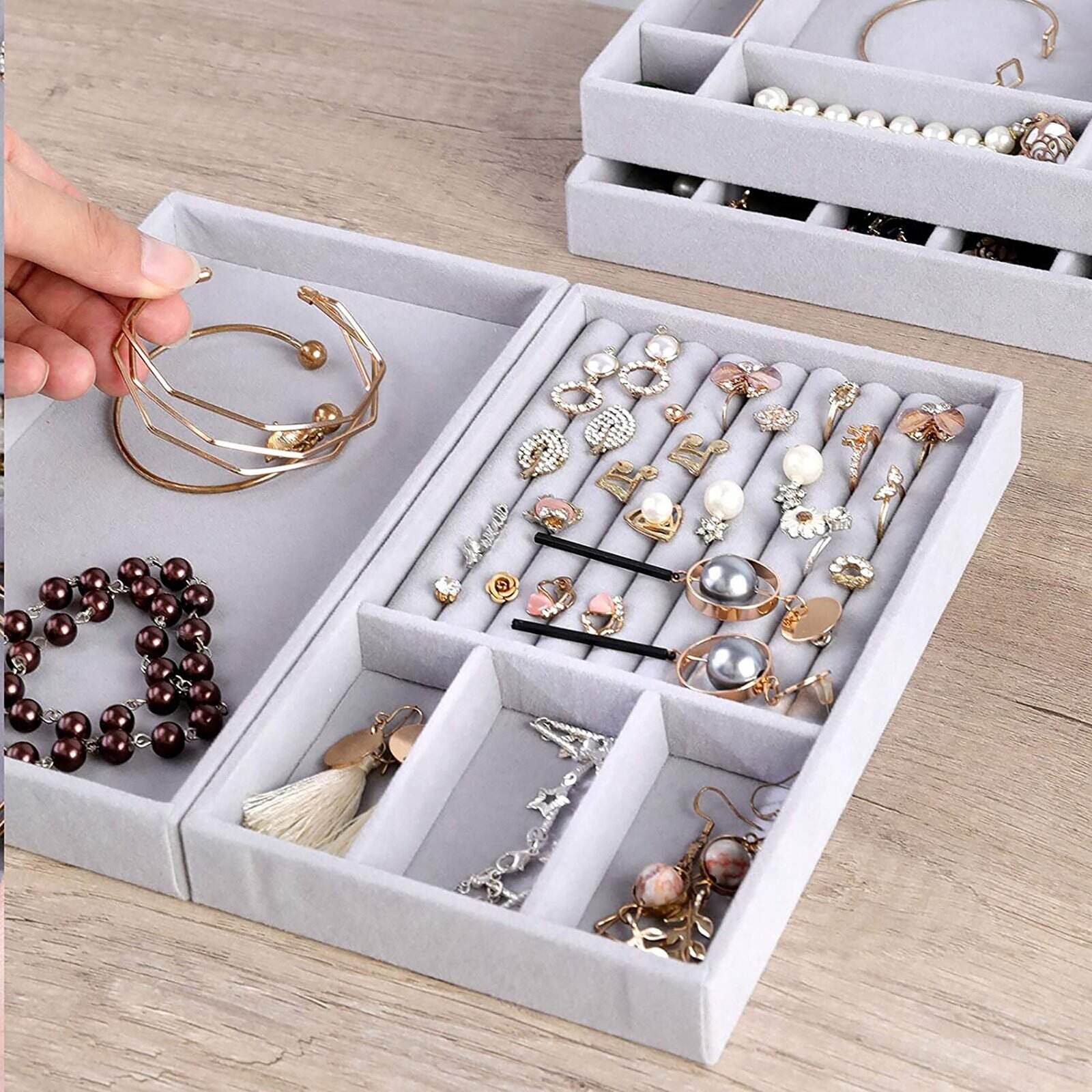
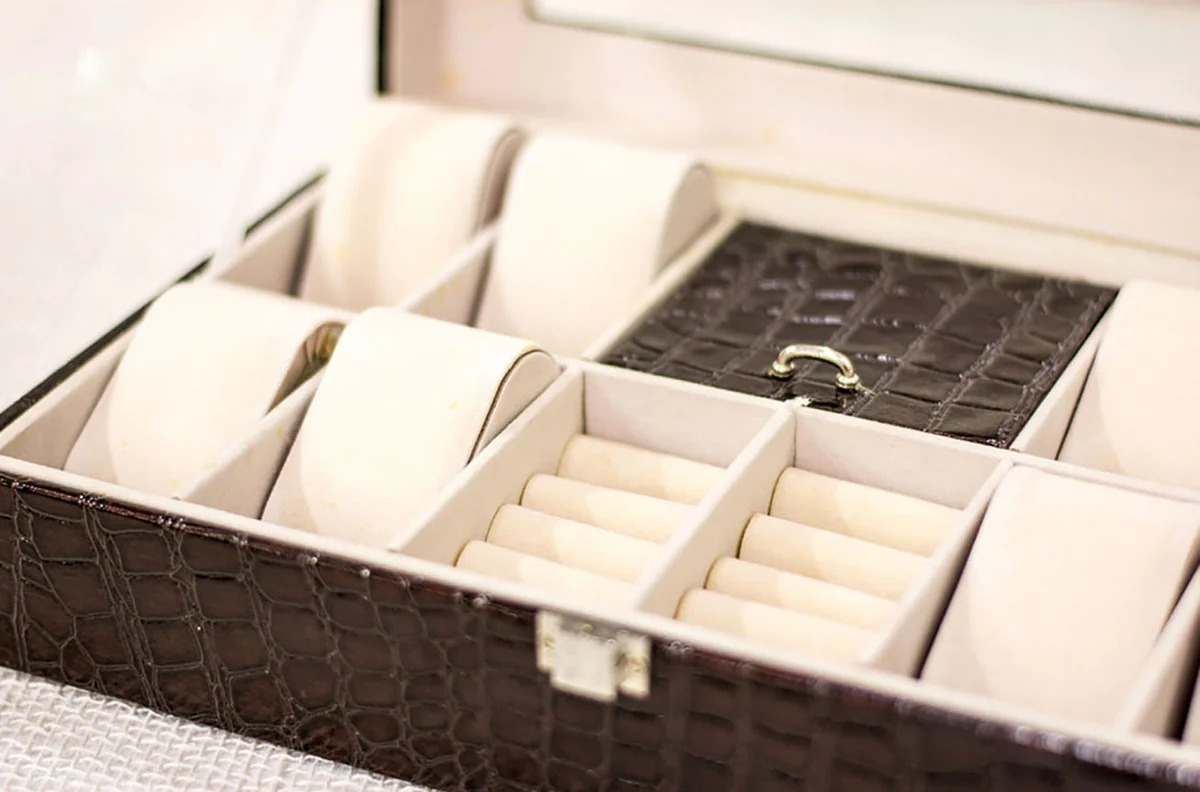
- Utilize Dividers and Compartments: Within your jewelry storage solution, use dividers and compartments to separate and categorize your jewelry further. This can be achieved through the use of velvet-lined trays, stackable organizers, or individual compartments within a jewelry box. Dividers prevent pieces from tangling and protect them from scratching against each other.
- Use Small Bowls or Dishes: Small bowls or dishes are excellent for storing smaller items such as rings, earrings, or delicate bracelets. Place them in your jewelry box or on a dressing table for easy access and added visual appeal.
- Consider Hanging Storage: Hang necklaces and chains to prevent them from tangling and knotting. You can use hooks, pegboards, or specialized jewelry organizers with hooks to keep your necklaces neatly displayed and readily accessible.
- Label and Sort: If you have an extensive jewelry collection, consider labeling your storage compartments or using color-coded organizers to help you quickly locate specific pieces.
Remember, the key to organizing your jewelry is to create a system that works for you. Consider your own preferences and habits, and design an organization system that is both functional and visually pleasing.
Next, we will delve into specific storage tips for different types of jewelry, including necklaces, rings, bracelets, earrings, brooches, and watches.
Storing Necklaces and Chains
Necklaces and chains are prone to tangling and knotting, making proper storage essential to keep them in pristine condition. Here are some tips for storing your necklaces and chains:
- Hang Them Up: One of the best ways to store necklaces is by hanging them up. Install hooks or use a jewelry organizer with hooks to keep your necklaces untangled and easily accessible. Be sure to space the hooks out to prevent the chains from becoming entwined.
- Use Jewelry Trees: Jewelry trees are not only functional but also decorative. Place your necklaces on the branches of a jewelry tree to prevent tangles and showcase your collection as a beautiful display.
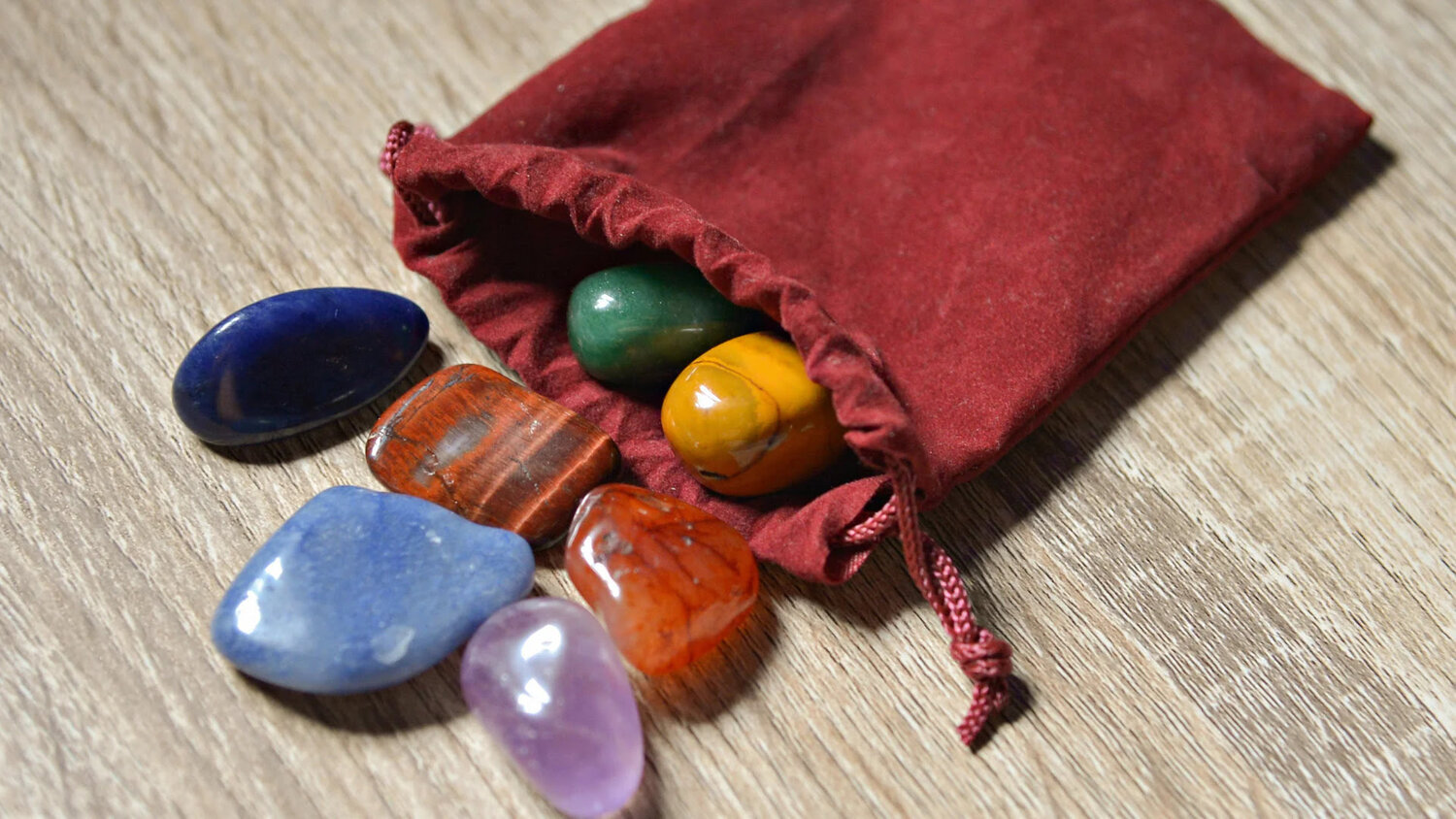
- Protect with Pouches or Bags: For delicate or precious necklaces, consider storing them in individual pouches or soft cloth bags. This will protect them from scratches and minimize exposure to air and moisture, ensuring their longevity.
- Layered Necklaces: To prevent tangling, store layered or multi-strand necklaces individually. You can use small plastic bags or wrap each necklace in tissue paper to keep them separated and tangle-free.
- Travel Cases with Hooks: If you often travel with your necklaces, invest in a travel case with built-in hooks. These cases allow you to keep your necklaces organized and secure while on the go.
- Avoid Direct Sunlight and Moisture: Finally, store your necklaces in a cool, dry place away from direct sunlight. Exposure to sunlight can cause fading or discoloration, while moisture can tarnish certain metals.
By following these tips, you can keep your necklaces and chains untangled and ready to wear whenever you desire.
Next, we will explore the best storage solutions and practices for rings.
Storing Rings
When it comes to storing rings, it’s essential to keep them organized, protected, and easily accessible. Here are some tips for storing your rings:
- Ring Holders: Invest in a ring holder or display stand that allows you to store your rings individually. This not only keeps them organized but also showcases their beauty. Choose a ring holder with soft materials like velvet or padded slots to prevent scratches and damage.
- Jewelry Boxes with Ring Rolls: If you have a sizable ring collection, consider a jewelry box with dedicated ring rolls. These padded compartments are designed to hold your rings securely while keeping them easily accessible.
- Ring Dishes: Another popular option is to use a decorative ring dish. Place this dish on your dresser or bedside table, allowing you to easily drop your rings into it at the end of the day. Not only is it a convenient storage solution, but it adds a touch of elegance to your space.
- Separate by Metal Type: If you have rings made of different metals, it’s advisable to store them separately. Some metals, like silver and copper, can react with each other, causing tarnish or discoloration. To prevent this, consider using individual pouches or small plastic bags for each ring.
- Consider Ring Inserts or Guards: To prevent rings from shifting or scratching against each other, you can use ring inserts or guards inside your jewelry box. These inserts create a barrier between the rings, ensuring they stay in place and remain protected.
- Regularly Clean and Polish: It’s important to clean and polish your rings regularly to keep them looking their best. Before storing them, make sure they are completely dry and free from any residue or oils.
- Store in a Cool, Dry Place: Just like other types of jewelry, rings should be stored in a cool, dry place away from direct sunlight. Extreme temperatures and excessive moisture can damage the metals and gemstones.
By following these tips, you can ensure that your cherished rings are stored safely and remain in excellent condition for years to come.
Next, we will discuss how to store bracelets and bangles.
Read more: How To Store A Watch
Storing Bracelets and Bangles
Bracelets and bangles come in various shapes, sizes, and materials, making it important to store them properly to prevent damage and maintain their quality. Here are some tips for storing bracelets and bangles:
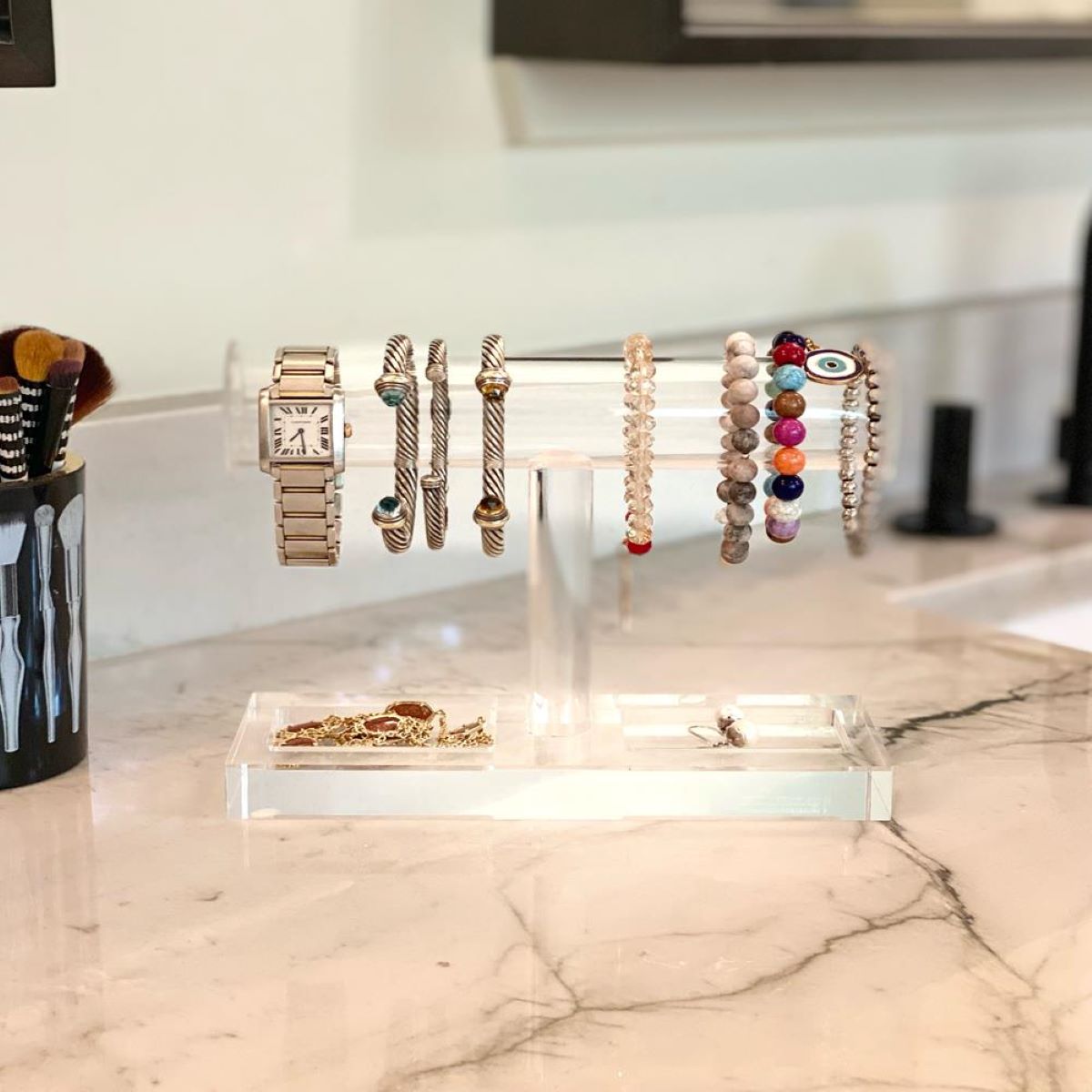
- Use Bracelet Stands: Bracelet stands are an excellent storage solution for showcasing your bracelets while keeping them organized. Choose a stand with multiple tiers or arms to accommodate different styles and sizes of bracelets. Opt for stands with soft material, like velvet or suede, to avoid scratching delicate bracelets.
- Stackable Jewelry Trays: Stackable jewelry trays with compartments are ideal for storing bracelets and bangles. These trays allow you to separate and organize your collection based on style or material. Avoid overcrowding the compartments to prevent tangling and scratching.
- Travel Cases: If you frequently travel with your bracelets, consider investing in a travel case designed specifically for bracelets. These cases often come with individual slots or rolls to keep your bracelets secure and organized while on the go.
- Clear Plastic Boxes: Clear plastic boxes are great for organizing and storing bracelets and bangles, especially if you have a large collection. The transparent design allows you to easily see and access your bracelets, while the boxes keep them protected from dust and scratches.
- Roll-Up Travel Bags: For those who have a diverse collection of bracelets and bangles, a roll-up travel bag can be a space-saving storage solution. These bags have multiple compartments and individual pouches to keep your bracelets separated and prevent tangling.
- Keep Similar Styles and Metals Together: To make it easier to find specific bracelets or coordinate your accessories, consider storing bracelets of similar styles or metals together. This allows you to quickly locate the bracelet you’re looking for while maintaining an organized collection.
- Avoid Excessive Weight: Be mindful not to overload one storage solution with too many bracelets or bangles. The weight can cause strain or damage to the jewelry and the storage container itself. If you have a large collection, distribute the bracelets across multiple storage options.
By implementing these storage tips, you can keep your bracelets and bangles organized, protected, and easily accessible whenever you want to add a touch of glamour to your outfit.
Next, we will explore the best practices for storing earrings.
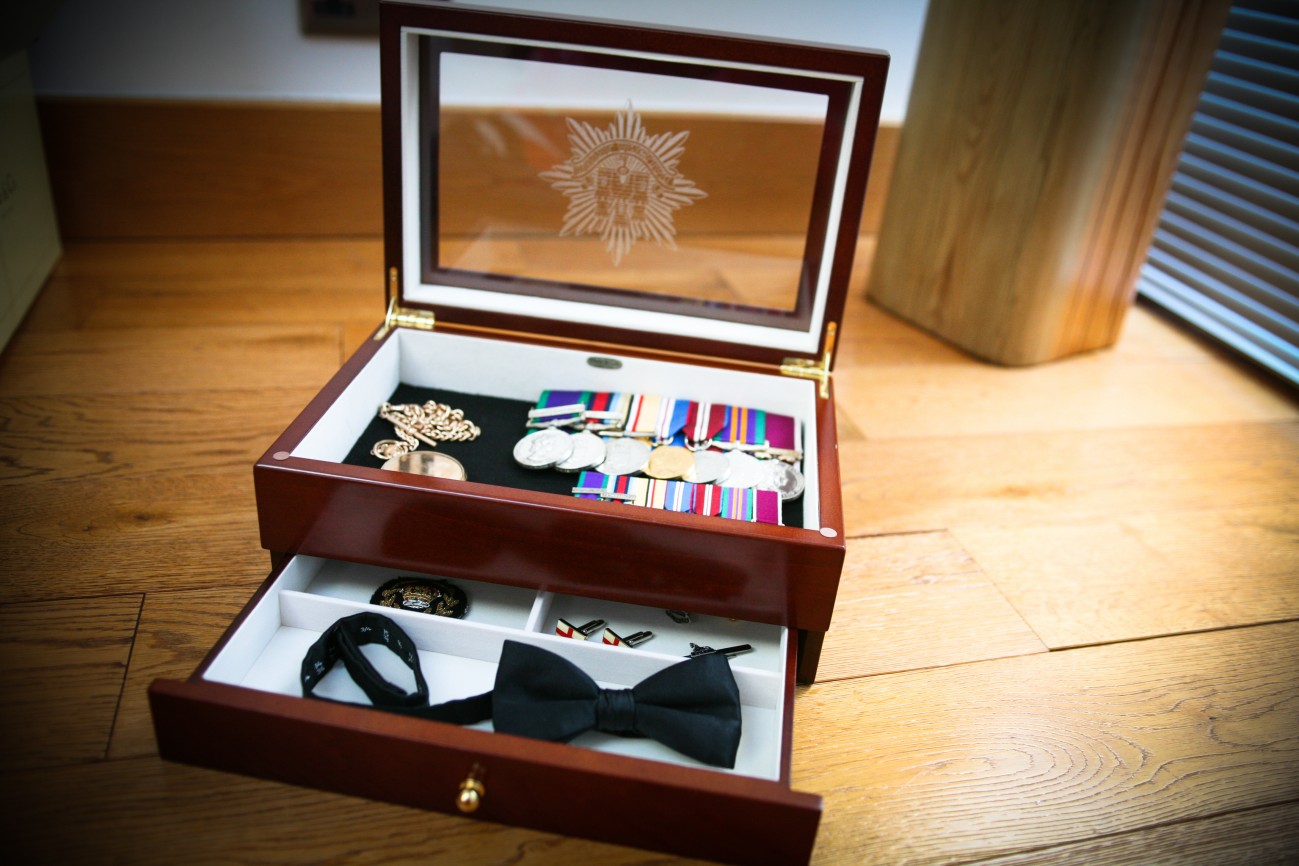
Store jewelry in a fabric-lined jewelry box or a soft pouch to prevent scratches and tangles. Keep different types of jewelry separate to avoid damage.
Storing Earrings
When it comes to storing earrings, it’s important to keep them organized and prevent them from tangling or getting lost. Here are some tips for storing your earrings:
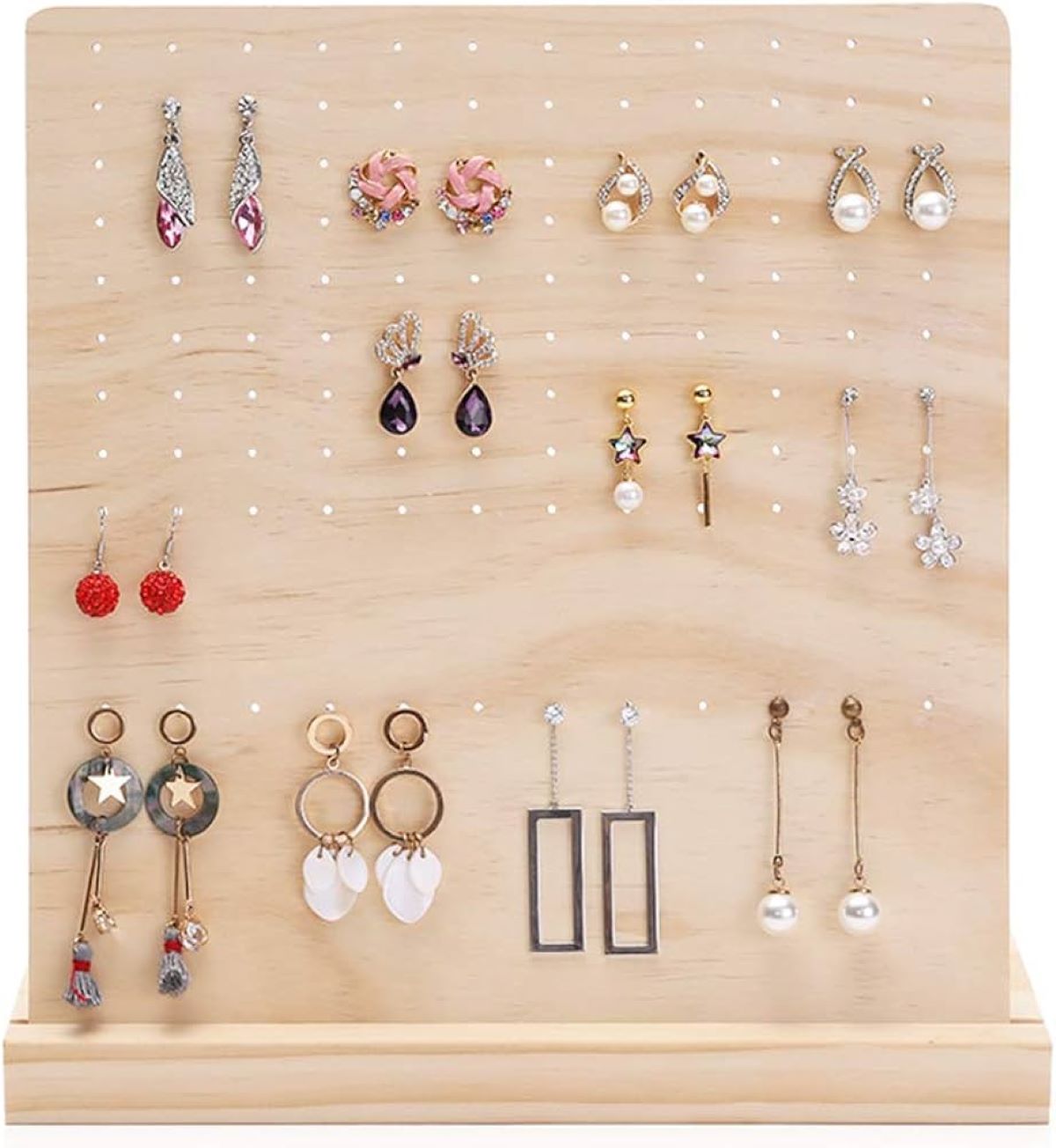
- Jewelry Boxes with Earring Compartments: A jewelry box with dedicated earring compartments is an excellent option for storing your earrings. These compartments typically have small holes or slots to hold each pair of earrings individually, keeping them organized and preventing them from tangling.
- Velvet or Foam Earring Inserts: If you have a collection of stud earrings, consider using velvet or foam earring inserts. These inserts have small holes where you can securely place each pair of earrings, ensuring they stay in place and remain organized.
- Earring Organizers: There are various earring organizers available, such as hanging organizers with pockets or earring trees with multiple branches. These organizers allow you to hang your earrings individually or keep them in separate compartments for easy access and visibility.
- Ice Cube Tray: If you’re looking for a budget-friendly option or have a small earring collection, consider using an ice cube tray to store your earrings. Each compartment can hold a pair, and the tray can be easily placed in a drawer or on a dresser.
- Zip-Top Bags: For small or delicate earrings, individually placing them in small zip-top bags can help prevent tangling and protect them from scratches and dust. Be sure to label or use transparent bags, so you can easily identify the earrings you’re looking for.
- Keep Sets Together: If you have earrings that are part of a set or meant to be worn together, store them as a pair. This will help you find and match your earrings quickly when getting ready.
- Secure Backs: For earrings with removable backs, make sure to keep them securely fastened when storing. This prevents the earrings from becoming separated and helps avoid misplacing the backs.
- Avoid Excessive Moisture: Moisture can cause damage to certain earring materials, such as silver or pearls. Store your earrings in a cool, dry place or consider adding a silica gel packet to absorb excess moisture.
By following these tips, you can keep your earrings organized, safe, and ready to complement any outfit or occasion.
Next, we will discuss the best practices for storing brooches and pins.
Storing Brooches and Pins
Brooches and pins are beautiful and versatile accessories that require proper storage to keep them safe and in top condition. Follow these tips to ensure your brooches and pins are stored effectively:
- Pin Cushions or Display Stands: Pin cushions or display stands are a classic and practical way to store brooches and pins. The cushion or stand provides a secure place to insert the pin, allowing easy access and visibility for selecting the perfect one for your outfit.
- Small Boxes or Cases: If you have multiple brooches and pins, consider keeping them together in a small jewelry box or case. Look for a box with individual compartments or slots to prevent them from scratching or tangling.
- Label or Sort by Theme: If your brooches and pins have specific themes, such as flowers, animals, or vintage styles, consider organizing and storing them accordingly. This makes it easier to find the perfect piece for a specific occasion or outfit.
- Use Soft Cloth or Tissue Paper: When storing your brooches, wrap them in soft cloth or tissue paper to prevent scratching and protect delicate details or gemstones. This additional layer provides an added level of protection from dust and humidity.
- Avoid Excessive Weight: Be mindful of the weight and size of your brooch collection. Avoid storing too many heavy brooches together to prevent any damage or strain on their clasps or structures.
- Keep Away from Direct Sunlight: Like other types of jewelry, direct sunlight can fade colors or cause damage to brooches and pins. Store them in a cool area, away from natural light, to maintain their original splendor.
By following these storage tips, you can preserve the beauty and craftsmanship of your brooches and pins and ensure they are always ready to add a touch of elegance to your attire.
Next, we will discuss the best practices for storing watches.
Storing Watches
Properly storing your watches helps maintain their functionality and prolongs their lifespan. Whether you have a collection of luxury timepieces or everyday wristwatches, follow these tips to ensure their safekeeping:
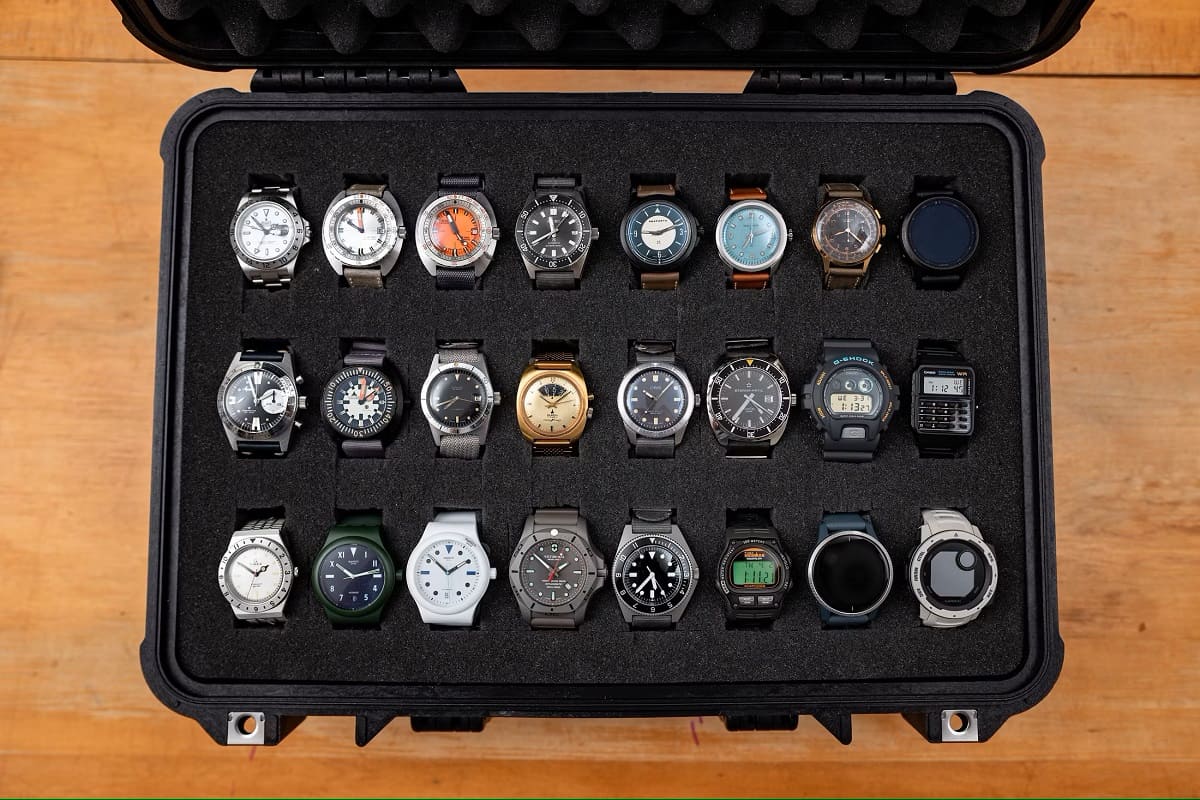
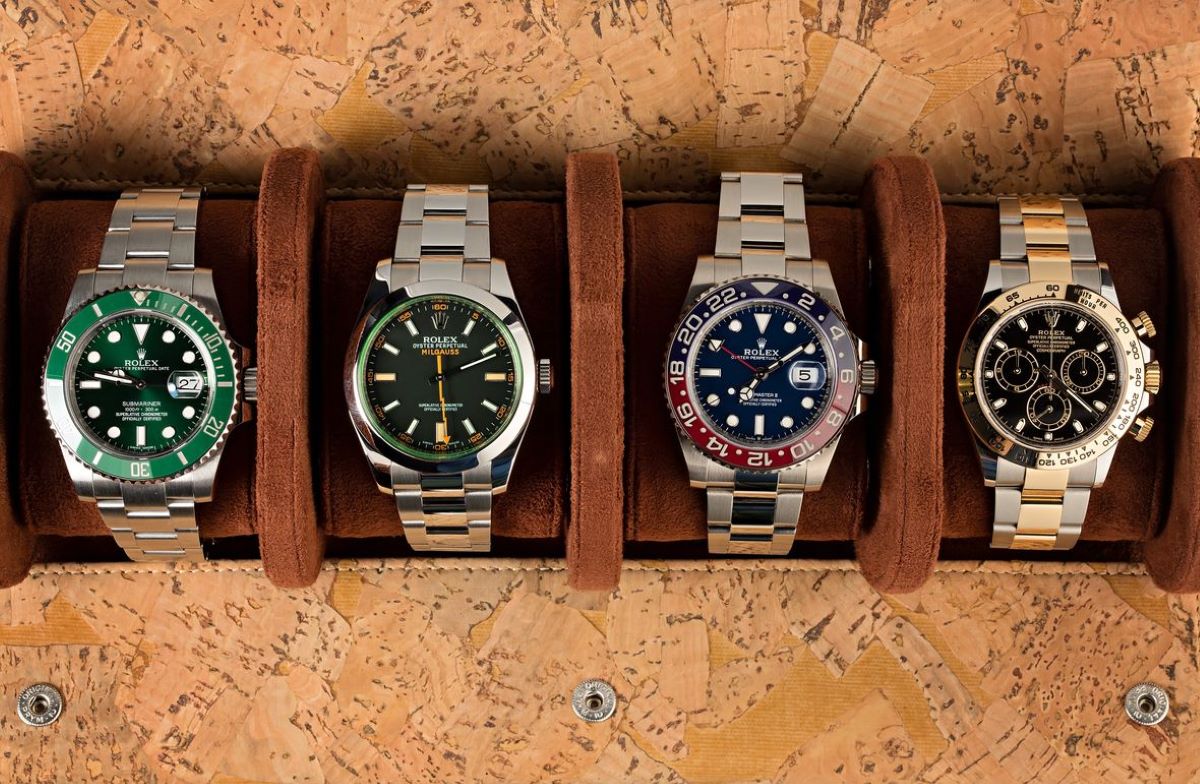
- Watch Boxes or Cases: Investing in a watch box or case is an excellent way to store and protect your watches. Look for a box with individual compartments or watch pillows to prevent scratching and keep them organized.
- Watch Winders: If you own automatic watches that require regular winding, consider using a watch winder. These devices simulate wrist movement to keep the watches wound and running smoothly, while also providing a secure storage option.
- Separate by Type: If you have different types of watches, such as dress watches, sports watches, or smartwatches, consider storing them separately to prevent any potential damage or interference between different mechanisms.
- Keep Away from Moisture: Moisture can cause damage to the inner workings of your watches. Store them in a cool, dry place and avoid extreme humidity or exposure to water.
- Avoid Temperature Extremes: Extreme temperatures can affect the accuracy and performance of your watches. Keep them away from heat sources, direct sunlight, or freezing conditions.
- Protect from Magnetic Fields: Magnetic fields can interfere with the movement and accuracy of mechanical watches. Keep your watches away from strong magnets or consider storing them in a demagnetizing box or pouch.
- Store with Straps Loosened: If your watches have adjustable straps, loosen them before storing to relieve any tension on the clasps or mechanisms. This will help maintain the shape and condition of the straps.
- Clean and Polish: Before storing your watches, make sure to clean and polish them with a soft cloth. This removes any dirt or oils that could potentially cause damage over time.
By following these tips, you can ensure your watches are stored in a safe and optimal environment, ready for use whenever you need them.
Next, we will explore how to clean and maintain your jewelry to keep it in pristine condition.
Read more: How To Store Necklaces
Cleaning and Maintaining Your Jewelry
Cleaning and maintaining your jewelry is essential to keep it looking beautiful and in top condition. With the right care, you can enjoy your favorite pieces for years to come. Here are some tips to help you clean and maintain your jewelry:
- Gentle Cleaning Solutions: Use mild, non-abrasive cleaning solutions specifically designed for the type of jewelry you are cleaning. Avoid harsh chemicals or cleaners that can damage the metals or gemstones.
- Cleaning Diamonds and Gemstones: To clean diamonds and most gemstones, prepare a solution of warm water and mild dish soap. Soak the jewelry for a few minutes, then gently scrub with a soft-bristle toothbrush. Rinse thoroughly and pat dry with a soft cloth.
- Cleaning Gold Jewelry: Use a solution of warm water and mild dish soap to clean gold jewelry. Gently brush the jewelry with a soft toothbrush to remove any dirt or residue. Rinse thoroughly and dry with a soft cloth.
- Cleaning Silver Jewelry: Silver jewelry can tarnish over time. To remove tarnish, use a silver polishing cloth or a specialized silver cleaning solution. Avoid using toothpaste or baking soda, as they can be too abrasive and damage the silver.
- Cleaning Pearl, Opal, and Soft Gemstone Jewelry: These delicate gemstones require extra care. Use a soft cloth dipped in mild soapy water to gently clean them. Avoid soaking or scrubbing, as it can damage the surface or luster.
- Regular Inspections: Periodically inspect your jewelry for loose stones, clasps, or any signs of damage. If you notice any issues, take your jewelry to a professional jeweler for repair.
- Proper Storage: Always store your jewelry in the appropriate storage solution as discussed earlier in this article. Keep them in a cool, dry place away from direct sunlight and moisture.
- Avoid Harsh Chemicals and Activities: Remove your jewelry before engaging in activities that may expose them to harsh chemicals, such as swimming or cleaning. Chemicals can damage or discolor certain metals and gemstones.
- Professional Cleaning: For valuable or intricate pieces, consider having them professionally cleaned and maintained by a jeweler. They have specialized tools and expertise to handle delicate or complex jewelry.
By regularly cleaning and maintaining your jewelry, you can preserve its beauty and longevity, ensuring that each piece remains a cherished part of your collection.
Congratulations! You now have a comprehensive guide on how to store and maintain your jewelry collection. Follow these tips to keep your jewelry safe, organized, and in excellent condition for many years of enjoyment.
Remember, taking proper care of your jewelry is not only about preserving its value and appearance but also about the sentimental value it holds. Treat each piece with love and respect, and it will continue to bring you joy and beauty throughout your life.
Conclusion
As we conclude this comprehensive guide on storing and maintaining your jewelry collection, it’s clear that proper storage and care are essential for keeping your cherished pieces safe, organized, and in excellent condition.
Choosing the right storage solution tailored to your specific needs and preferences is the first step towards preserving the quality and beauty of your jewelry. Consider factors such as the size and type of your collection, the available space, accessibility, and security when selecting a storage method.
Organizing your jewelry collection is equally important to ensure easy accessibility and prevent damage. Separating your jewelry by type, using dividers and compartments, and utilizing small bowls or dishes for delicate pieces can help prevent tangling and scratching.
When it comes to storing specific types of jewelry, such as necklaces and chains, hanging them up or using jewelry trees can prevent tangling. Rings can be stored in ring holders or jewelry boxes with ring rolls, while bracelets and bangles can be stored in stackable trays or on bracelet stands. Earrings can be stored in earring organizers or by using velvet or foam earring inserts.
To maintain the longevity of your jewelry, regular cleaning and maintenance are crucial. Use gentle cleaning solutions appropriate for the specific material of your jewelry, and remember to inspect your pieces for any signs of damage or loose stones. Proper storage, avoiding exposure to harsh chemicals or activities, and seeking professional cleaning when needed are all part of keeping your jewelry in pristine condition.
By following these tips and incorporating them into your jewelry care routine, you can ensure that your precious gems, metals, and stones remain beautiful and cherished for years to come.
So, take the time to invest in the right storage solutions, organize your collection, and give your jewelry the care it deserves. By doing so, you can enjoy wearing your favorite pieces with confidence and style.
Frequently Asked Questions about How To Store Jewelry
Was this page helpful?
At Storables.com, we guarantee accurate and reliable information. Our content, validated by Expert Board Contributors, is crafted following stringent Editorial Policies. We're committed to providing you with well-researched, expert-backed insights for all your informational needs.

0 thoughts on “How To Store Jewelry”