

Articles
How To Store A Lot Of Jewelry
Modified: January 18, 2024
Discover effective storage techniques for organizing and preserving your extensive collection of articles, ensuring your jewelry remains protected and easily accessible.
(Many of the links in this article redirect to a specific reviewed product. Your purchase of these products through affiliate links helps to generate commission for Storables.com, at no extra cost. Learn more)
Introduction
Having a large collection of jewelry can be both exciting and daunting. On one hand, you have a variety of stunning pieces to choose from to enhance your outfits and make a statement. On the other hand, the challenge lies in properly storing and organizing all your jewelry to keep them safe and in pristine condition.
In this article, we will explore various strategies and storage options to help you store a large collection of jewelry effectively. From sorting and organizing your pieces to choosing the right storage solutions, we will cover all aspects of jewelry storage. Whether you have a diverse collection of earrings, necklaces, bracelets, rings, or all of the above, this article will provide you with practical tips and ideas.
By implementing these techniques, you will not only be able to easily find and access your jewelry, but also ensure that each piece is protected from tarnish, scratches, and other forms of damage. So let’s dive in and discover the best ways to store a lot of jewelry!
Key Takeaways:
- Properly storing a large jewelry collection involves assessing, sorting, and choosing the right storage options. By organizing and protecting your pieces, you can easily access and enjoy your jewelry while keeping them in pristine condition.
- Utilize travel-friendly storage options to keep your jewelry organized and protected while on the go. From compact jewelry cases to repurposed pill organizers, these solutions ensure your jewelry remains safe and easily accessible during travel.
Read more: How To Store A Lot Of Books
Assessing your Jewelry Collection
Before diving into the world of jewelry storage, it’s important to assess your collection and understand the types of jewelry you have. Take the time to go through each piece and determine its significance, sentimental value, and frequency of use. This will help you prioritize your storage needs and make informed decisions about the storage options you choose.
Start by sorting your jewelry into different categories such as necklaces, bracelets, earrings, and rings. Within each category, further divide your pieces based on material, style, or occasion. For example, you can group together all your silver necklaces, statement earrings, or delicate rings. By doing so, you’ll have a clear inventory of your collection and a better understanding of the storage solutions that will work best for your specific pieces.
During the assessment process, also take note of any repairs or cleaning that your jewelry may require. If you spot any broken clasps, loose stones, or tarnished metals, set them aside to be addressed before storage. It’s crucial to ensure that your jewelry is in good condition before storing them, as storing damaged pieces can lead to further deterioration.
Additionally, consider the value and significance of individual pieces when determining your storage plans. If you have heirloom jewelry or high-value pieces, you may want to invest in more secure storage options such as a locked jewelry armoire or a safe. On the other hand, if you have costume or fashion jewelry, you can opt for more affordable and accessible storage solutions.
Assessing your jewelry collection will not only help you understand your storage needs, but it will also give you an opportunity to declutter and let go of pieces that no longer serve you. Consider donating or selling any jewelry that you no longer wear or have an emotional connection to, as it will free up space and make your storage efforts more focused.
Once you have a clear understanding of your collection and its storage requirements, you can move on to the next step of sorting and organizing your jewelry.
Sorting and Organizing
Now that you have assessed your jewelry collection, it’s time to dive into the sorting and organizing process. This step is crucial to maintain order and make it easier to find and access your jewelry. Here are some tips to help you effectively sort and organize your pieces:
- Separate by type: Start by separating your jewelry into distinct categories such as necklaces, bracelets, earrings, and rings. This will help you easily identify and locate specific pieces when you need them.
- Group by style: Within each category, consider grouping your jewelry by style or occasion. For example, you can have a section for statement necklaces, dainty bracelets, or everyday earrings. This will further streamline the organization process and make it easier to find the right piece for any occasion.
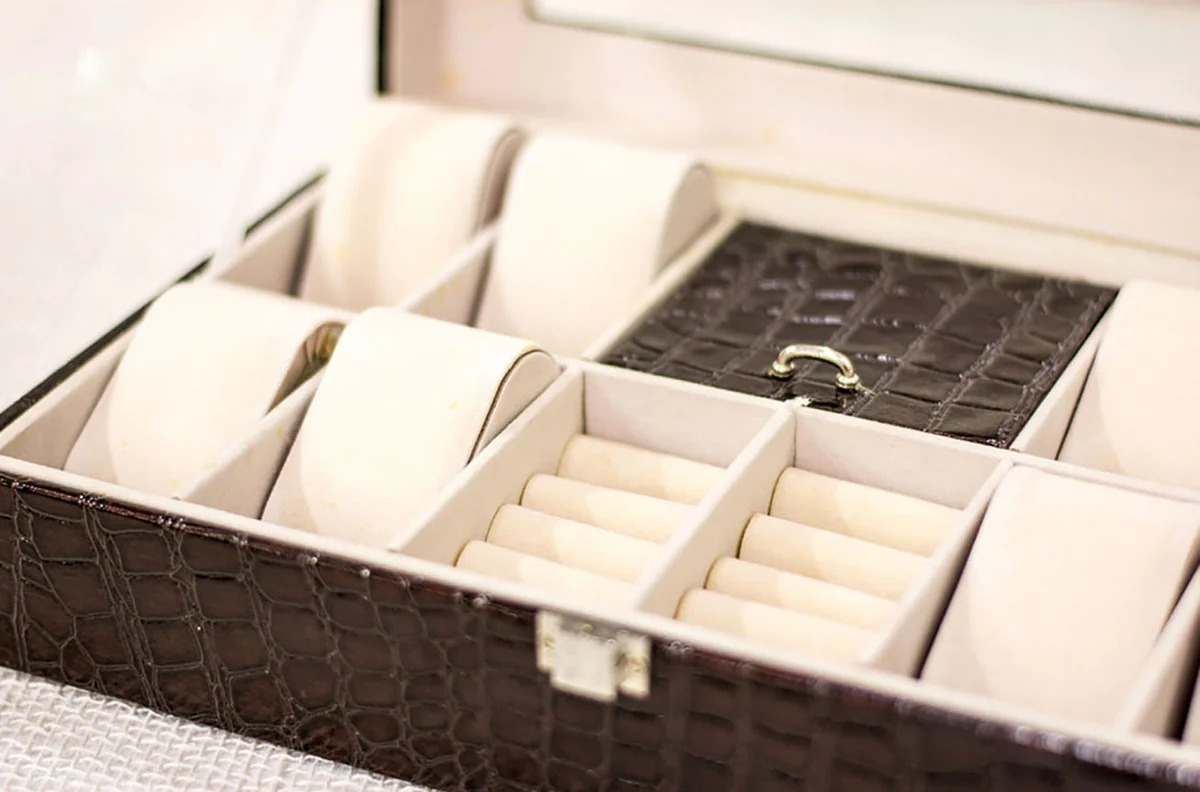
- Utilize trays or dividers: To keep your jewelry organized within drawers or on countertops, invest in jewelry trays or use dividers to create separate compartments. These can be made of felt, velvet, or acrylic and will prevent your jewelry from tangling or getting mixed up. You can also opt for stackable trays or adjustable dividers to customize the storage space based on your needs.
- Consider frequency of use: If you have jewelry pieces that you wear more frequently, make sure to have them easily accessible. Place them in the front or on top of your storage unit, so you can grab them quickly when needed. For less frequently worn pieces, you can store them at the back or in more secure compartments.
- Label and categorize: To further streamline the organization process, consider labeling or categorizing your jewelry storage. This can be done by attaching small tags to trays or using different colored compartments for each category. By doing so, you can find the specific piece you’re looking for without having to search through multiple storage areas.
Remember, the key to effective jewelry sorting and organizing is to customize the system based on your collection and personal preferences. Experiment with different methods and layouts until you find the one that works best for you. The ultimate goal is to create a visually appealing and easily navigable storage solution that keeps your jewelry safe and accessible at all times.
Now that you have organized your jewelry, let’s move on to choosing the right storage options for your specific pieces.
Choosing the Right Storage Option
When it comes to storing a lot of jewelry, selecting the right storage option is crucial. The right storage solution will not only keep your jewelry organized but also protect them from damage, tarnish, and other forms of deterioration. Here are some factors to consider when choosing the right storage option:
1. Size and capacity: Evaluate the size of your jewelry collection and choose a storage option that can accommodate all your pieces comfortably. Consider the number of compartments, drawers, or hooks available and ensure that they can hold your jewelry without overcrowding or tangling.
2. Material: The material of the storage option should be gentle on your jewelry and prevent scratching or rubbing. Look for storage solutions made of soft fabrics such as velvet, silk, or felt. Avoid storage options made of rough or abrasive materials that can damage delicate pieces.
3. Visibility: It’s essential to be able to see and access your jewelry easily. Look for storage options that offer clear visibility, such as transparent compartments or glass display cases. This will allow you to quickly locate specific pieces without having to dig through multiple drawers or boxes.
4. Security: If you have valuable or sentimental jewelry, consider a storage option with added security features. This can include lockable drawers or cases, providing an extra layer of protection against theft or unauthorized access.
5. Portability: If you travel frequently or need to take your jewelry with you on trips, consider a portable storage option. Look for travel-friendly jewelry cases or roll-up organizers that allow you to safely store and transport your jewelry without the risk of damage or loss.
6. Climate control: Depending on your location and climate, you may need to consider a storage option that offers climate control features. Some metals, such as silver, can tarnish faster in humid environments. Look for storage solutions with anti-tarnish properties or consider using anti-tarnish pouches or strips within your storage to prevent tarnish buildup.
7. Aesthetics: Lastly, consider the aesthetic appeal of the storage option. Your jewelry storage can also double as a decorative element, so choose a style, color, or design that complements your personal taste and fits well with your overall decor.
Remember, there is no one-size-fits-all solution when it comes to jewelry storage. Assess your needs, consider your collection’s size and value, and prioritize the features that are important to you. This will help you select the perfect storage option to keep your jewelry safe, organized, and easily accessible.
Next, we will dive into specific tips for organizing small jewelry pieces.
Organizing Small Jewelry Pieces
When it comes to small jewelry pieces such as earrings, studs, and delicate charms, proper organization is key to preventing loss, damage, and tangles. Here are some tips to help you effectively organize your small jewelry pieces:
- Use compartmentalized storage: Invest in a jewelry box or storage tray with small compartments specifically designed for small jewelry pieces. This will prevent them from getting jumbled together and make it easier to find a specific pair of earrings or a delicate charm.
- Consider a hanging jewelry organizer: A hanging jewelry organizer with clear pockets is a great option for organizing small jewelry pieces. You can easily see all your options at a glance and keep each item separated, preventing tangles and damage.
- Utilize an ice cube tray: Ice cube trays are an inexpensive and creative way to organize small jewelry. Place earrings, rings, or small pendants in each individual compartment of the tray, keeping them separated and tangle-free.
- Use a pill organizer: A pill organizer with multiple compartments can be repurposed to organize small jewelry. Label each compartment with the type of jewelry you’ll store inside, such as earrings, rings, or even different colors of beads.
- Thread small earrings onto a ribbon: For earrings without backs or posts, thread them onto a ribbon or string. Tie a knot between each earring to prevent them from sliding together. Hang the ribbon on a hook to keep them easily accessible.
- Store in small resealable bags: Use small resealable bags to store pairs of earrings or other small jewelry pieces to prevent tangling and damage. Label each bag with the type of jewelry inside for easy identification.
- Utilize a magnetic board: Attach a magnetic board to your wall and use small magnetic hooks or strips to hang your earrings. This not only keeps them organized but also allows you to showcase your collection as a decorative display.
By utilizing these organization techniques, you can ensure that your small jewelry pieces remain easily accessible, untangled, and protected from damage. Remember to choose a storage method that works best for you and your collection, considering factors such as available space, aesthetic preferences, and portability.
Next, we will explore specific tips for storing necklaces and bracelets.
Read more: How To Store A Lot Of Shoes
Storing Necklaces and Bracelets
Necklaces and bracelets are prone to tangling, knotting, and chain damage if not stored properly. To keep them in pristine condition and easily accessible, follow these tips for storing your necklaces and bracelets:
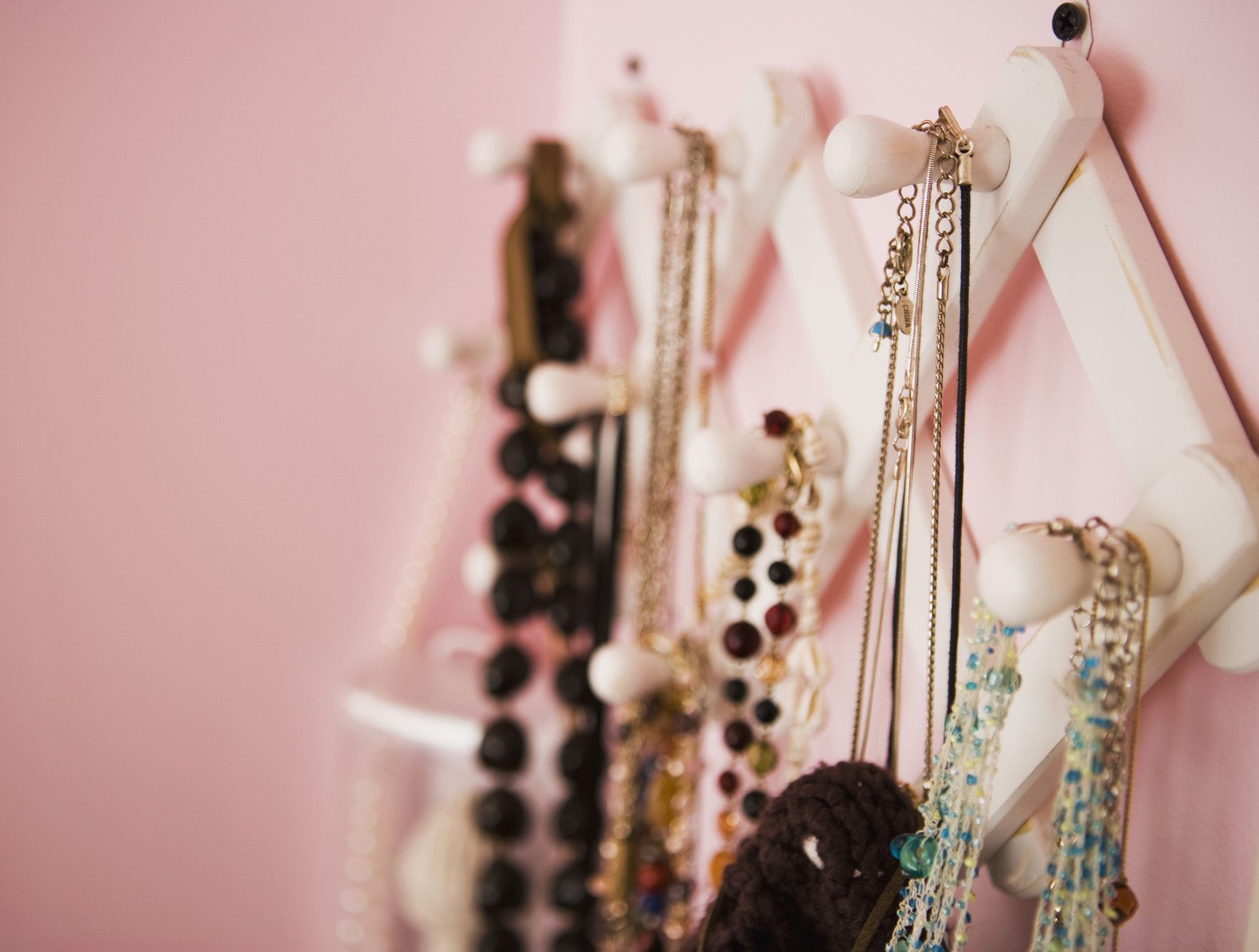
- Hang them on a jewelry tree: Invest in a jewelry tree or stand with multiple hooks to hang your necklaces and bracelets. This allows them to remain untangled and readily visible, making it easier to choose the perfect piece for your outfit.
- Utilize a dedicated jewelry drawer: If you have enough drawer space, consider using a dedicated jewelry drawer with individual hooks or small organizers to hang your necklaces and bracelets. This will keep them flat and prevent tangling.
- Use a drawer with divided compartments: Another option is to use a drawer with divided compartments to store your necklaces and bracelets. Line each compartment with a soft fabric or velvet to protect your pieces from scratching or getting tangled with one another.
- Wrap them around a jewelry roll: Jewelry rolls are excellent for travel or limited storage space. Wrap your necklaces and bracelets around the roll, securing them with a tie or loop, and store it in a drawer or travel bag.
- Hang them on adhesive hooks: Attach small adhesive hooks to the inside of a cabinet door or on a bedroom wall to hang your necklaces and bracelets. This allows you to utilize unused vertical space and keeps your pieces easily accessible.
- Separate them with straws or drinking straws: To prevent delicate chains from tangling, slide each necklace or bracelet into a straw or cut drinking straw. This will keep them separated and eliminate any potential knots or tangles.
- Wrap in soft fabric: If you prefer to store your necklaces and bracelets in a jewelry box or pouch, wrap each piece separately in soft fabric or velvet before placing them inside. This protective barrier will prevent scratches and tangling.
Remember to consider the specific needs of each piece. Delicate, fine chains may require more care and attention to prevent tangling, whereas chunky, statement necklaces may need more space to hang freely.
By implementing these storage techniques, you’ll be able to keep your necklaces and bracelets organized, easily accessible, and ready to wear at a moment’s notice.
Next, we’ll explore tips for storing earrings.
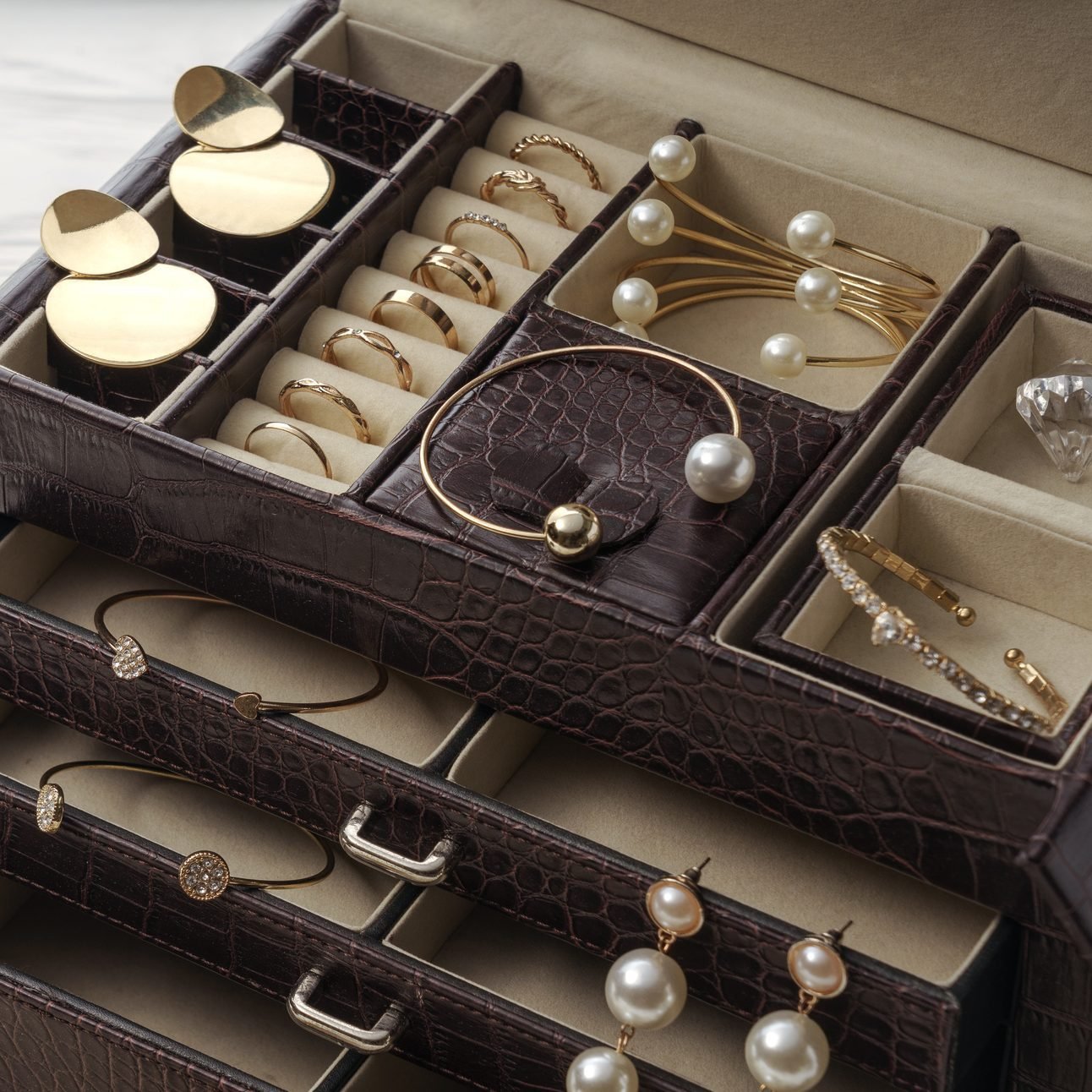
Consider investing in a jewelry armoire with multiple drawers and compartments to store a large collection of jewelry. This will help keep your pieces organized and easily accessible.
Storing Earrings
Earrings come in various styles and sizes, making them a versatile and popular jewelry choice. However, keeping them organized and preventing them from getting lost or damaged can be a challenge. Here are some tips for storing your earrings:
- Use an earring organizer: Invest in an earring organizer specifically designed to hold and display earrings. These organizers typically have slots, holes, or compartments where you can securely place each pair of earrings, keeping them organized and easily visible.
- Opt for a jewelry box with earring holders: Look for a jewelry box that has built-in earring holders. These holders usually consist of small holes or hooks where you can effortlessly hang your earrings. This ensures that they stay organized and prevents them from tangling.
- Utilize an ice cube tray: As mentioned earlier, ice cube trays can be repurposed for organizing small jewelry pieces, including earrings. Place each pair of earrings in separate compartments of the tray, making sure to keep them matched and untangled.
- Attach earrings to a corkboard: Fix a small corkboard to your wall and use pushpins or earring backs to attach your earrings. This method allows you to showcase your collection while keeping them organized and easily accessible.
- Store earrings in pill organizers: Pill organizers with multiple compartments can be an excellent option for organizing earrings, especially small studs or hoops. Each compartment can hold a pair of earrings, keeping them separated and preventing loss or damage.
- Place earrings in small resealable bags: If you prefer to store your earrings in a jewelry box or drawer, consider placing each pair in small resealable plastic bags. Label the bags or use clear ones to easily identify the earrings inside and prevent them from getting tangled.
- Use an earring book: Earring books have individual pages or compartments to store earrings. They often have a padded exterior to protect the earrings and a secure closure mechanism to keep them in place.
Remember to handle your earrings with care and take precautions to prevent damage. If you have valuable or delicate earrings, consider storing them in individual jewelry pouches or wrapping them in soft fabric before placing them in your chosen storage method.
By implementing these storage techniques, you’ll be able to keep your earrings organized, safe, and ready to accessorize any outfit.
Next, we’ll explore tips for storing rings.
Storing Rings
Rings are not only beautiful accessories but also often hold sentimental value. To keep your rings organized and in excellent condition, consider these tips for storing them:
- Use a ring dish or tray: A ring dish or tray is an elegant and practical way to store your rings. These small dishes or trays have indentations or slots where you can place each ring individually. Display the dish on a dresser or bedside table for easy access.
- Invest in a ring holder stand: A ring holder stand is a stylish and functional way to store and display your rings. These stands usually have multiple prongs or slots where you can slide your rings onto. They keep rings organized and prevent them from scratching each other.
- Utilize a ring box or jewelry case: If you have a larger ring collection or prefer to store your rings out of sight, consider a ring box or jewelry case with individual compartments. Look for ones with soft, padded interiors to prevent damage to your rings.
- Use a ring roll: A ring roll is a cylindrical-shaped organizer that allows you to roll up your rings individually. This is a convenient option if you’re traveling or have limited storage space.
- Arrange rings in a drawer: If you have ample drawer space, consider arranging your rings in a dedicated jewelry drawer with dividers or velvet-lined compartments. This will keep them separated and prevent them from shifting or rubbing against each other.
- Separate rings with ring sizers or silicone bands: Prevent your rings from scratching each other by using ring sizers or silicone bands. These can be placed around individual rings to keep them separate and provide a cushioning barrier.
- Store rings in pouches or fabric-lined boxes: For more delicate rings or heirloom pieces, consider storing them in individual jewelry pouches or fabric-lined boxes. This provides an extra layer of protection against scratches and keeps them in pristine condition.
Remember to clean your rings regularly and remove any dirt or residue before storing them. This will help maintain their shine and prevent tarnishing or discoloration over time.
By applying these storage techniques, you’ll be able to keep your rings organized and protected, ensuring that each one is ready to adorn your fingers whenever you desire.
Next, we’ll explore tips for protecting jewelry from tarnish and damage.
Protecting Jewelry from Tarnish and Damage
To keep your jewelry looking its best and prevent tarnish, scratches, and other forms of damage, it’s important to take proper care and implement protective measures. Here are some tips to protect your jewelry:
- Store in airtight containers: Air exposure can cause metals to tarnish, so consider storing your jewelry in airtight containers. This can include resealable plastic bags, ziplock bags, or jewelry cases with tight closures. Add an anti-tarnish strip or pouch to the container for an added layer of protection.
- Avoid direct contact with chemicals: Chemicals such as perfumes, lotions, and cleaning agents can damage the finish of your jewelry. Remove your jewelry before applying these substances, and allow sufficient time for them to dry or be absorbed before putting your jewelry back on.
- Separate jewelry pieces: Prevent scratches and tangles by storing each piece of jewelry separately. Whether it’s using individual compartments, soft pouches, or dividers in a jewelry box, keeping your pieces separated will help maintain their condition.
- Remove jewelry during physical activities: While it might be tempting to keep your jewelry on at all times, it’s best to remove them during physical activities such as exercising, swimming, or cleaning. This reduces the risk of damage due to impact, chemicals, or excessive sweat.
- Polish and clean regularly: To maintain the shine and sparkle of your jewelry, clean them regularly. Use a soft cloth or a jewelry cleaning solution specifically recommended for the type of metal or gemstone. Avoid abrasive cleaners or brushes that can scratch the surface of your jewelry.
- Take extra care with delicate pieces: Delicate or ornamental jewelry requires extra caution. When storing these pieces, handle them gently and avoid bending or applying pressure to fragile parts. Consider wrapping them in soft fabric or tissue paper for added protection.
- Inspect jewelry regularly: Routinely inspect your jewelry for any loose stones, damaged clasps, or signs of wear. If you notice any issues, have them repaired promptly to prevent further damage or loss.
Remember, prevention is key when it comes to protecting your jewelry. By implementing these protective measures, you can ensure that your jewelry remains in excellent condition for years to come.
Next, we’ll explore travel-friendly jewelry storage options.
Read more: What Are Infill Lots
Travel-friendly Jewelry Storage
When it comes to traveling, it’s essential to have a practical and organized system for storing your jewelry. Here are some tips for travel-friendly jewelry storage:
- Use a dedicated travel jewelry case: Invest in a compact jewelry case specifically designed for travel. Look for features such as individual compartments, earring holders, and ring rolls to keep your jewelry organized and protected during transit.
- Opt for a jewelry roll: A jewelry roll is a versatile and space-saving option for traveling. It typically consists of multiple compartments or pockets that can be rolled up for easy packing. Jewelry rolls often have padded sections to ensure the protection of your jewelry.
- Utilize pill organizers: Instead of carrying multiple jewelry boxes or pouches, use small pill organizers to store and separate your jewelry. Each compartment can hold a different type of jewelry, making it easy to locate and access specific pieces without taking up much space in your luggage.
- Wrap jewelry in soft cloth or plastic wrap: For delicate pieces or items that don’t have a travel-specific storage option, wrap them individually in soft cloth or plastic wrap. This acts as a protective layer and prevents them from scratching or tangling with other jewelry during travel.
- Use a contact lens case: For small jewelry such as earrings or delicate charms, repurpose a contact lens case. It offers separate compartments for each piece, keeping them organized and protected from damage.
- Consider a travel-friendly jewelry pouch: Look for travel jewelry pouches with multiple zippered compartments or pockets. These pouches often have transparent sections for easy visibility and organization of your jewelry items.
- Separate with buttons: Place stud earrings through the holes of a button to keep them together and prevent loss or damage. This simple trick keeps your earrings organized and securely stored while taking up minimal space.
Remember to pack your travel-friendly jewelry storage in your carry-on bag or in a secure and easily accessible compartment. Avoid placing it in checked luggage to minimize the risk of loss or theft.
By utilizing these travel-friendly storage options, you can enjoy your vacation or business trip worry-free, knowing that your jewelry is organized, protected, and ready for you to wear and enjoy.
Now, let’s conclude the article.
Conclusion
Storing a large collection of jewelry may seem like a daunting task, but with the right strategies and storage options, it can be easily manageable. By assessing your collection, sorting and organizing your pieces, and choosing the appropriate storage solutions, you can keep your jewelry safe, easily accessible, and in pristine condition.
Start by assessing your collection, understanding the types of jewelry you have and their storage requirements. Sort and organize your pieces based on type, style, and frequency of use. This will help you prioritize your storage needs and make informed decisions about the storage options you choose.
Choose the right storage option based on size, material, visibility, security, portability, and climate control. Whether it’s using jewelry trays, hanging organizers, or dedicated jewelry boxes, there are plenty of options to suit your needs and preferences.
Organize small jewelry pieces such as earrings by using compartmentalized storage, hanging organizers, ice cube trays, pill organizers, or magnetic boards. Keep them separate, untangled, and easily visible to enhance accessibility and prevent damage.
Store necklaces and bracelets by hanging them on jewelry trees, utilizing dedicated jewelry drawers, or using divided compartments. Keep each piece separated and prevent tangling by using straws, hooks, or soft fabric.
For earrings, use earring organizers, jewelry boxes with earring holders, ice cube trays, or corkboards to keep them organized and readily available.
Store rings in ring dishes, ring holder stands, jewelry boxes, or dedicated drawers with velvet-lined compartments. Ensure they are separated and protected from scratching or rubbing against each other.
To protect your jewelry from tarnish and damage, store jewelry in airtight containers, avoid contact with chemicals, separate pieces, remove them during physical activities, and clean them regularly. Regular inspections will help identify any repair or maintenance needs.
When traveling, use dedicated travel jewelry cases, jewelry rolls, pill organizers, soft cloth or plastic wrap, contact lens cases, or travel-friendly jewelry pouches to keep your jewelry organized, protected, and easy to transport.
By implementing these strategies and storage options, you can maintain the beauty and quality of your jewelry collection for years to come. Enjoy the convenience of finding and wearing your favorite pieces while keeping them safe and well-organized.
Remember, taking proper care of your jewelry not only ensures their longevity and value but also allows you to appreciate and enjoy them as a reflection of your personal style and cherished memories.
Frequently Asked Questions about How To Store A Lot Of Jewelry
Was this page helpful?
At Storables.com, we guarantee accurate and reliable information. Our content, validated by Expert Board Contributors, is crafted following stringent Editorial Policies. We're committed to providing you with well-researched, expert-backed insights for all your informational needs.



0 thoughts on “How To Store A Lot Of Jewelry”